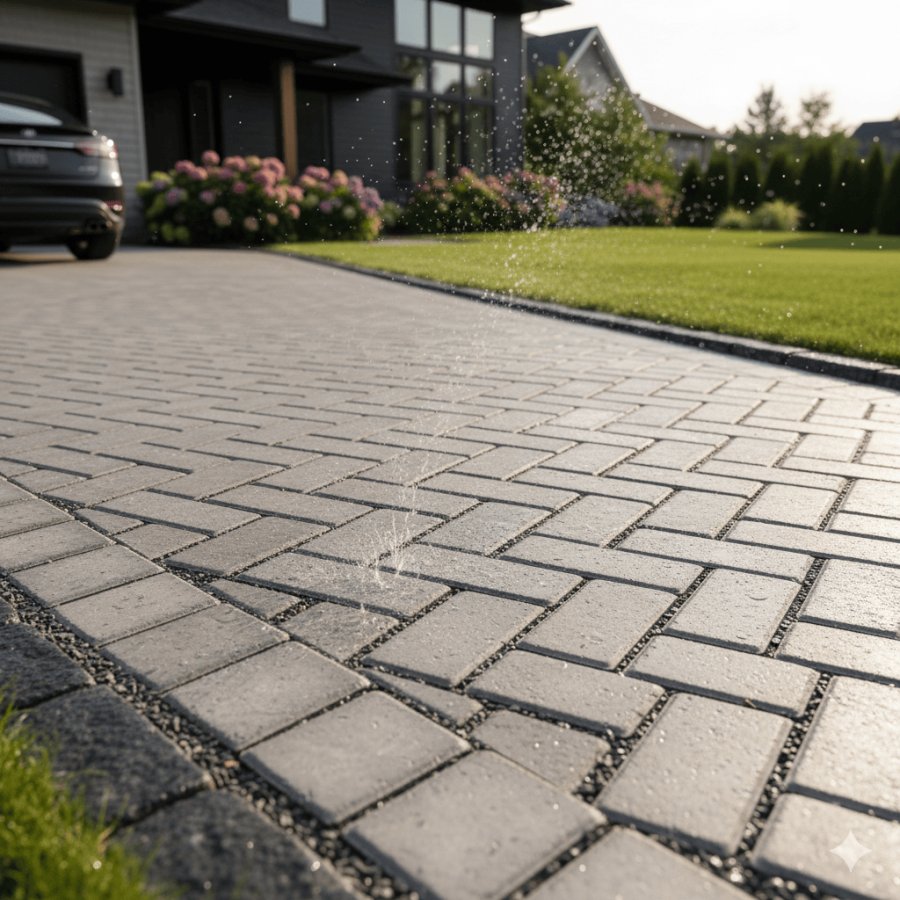
Pavement Stone Applications
Indispensable for Outdoor Spaces: A Comprehensive Guide to Pavement Stone Applications
Introduction: What is Pavement Stone and Why is it So Important in Outdoor Spaces?
For professionals and homeowners seeking durability, aesthetics, and functionality in landscape design and outdoor flooring, pavement stone (also commonly known as interlocking pavers or block paving) applications are among the most popular and established solutions. These materials, typically concrete-based, create robust and permeable surfaces by interlocking with each other through their special shapes.
Pavement stone not only offers visual appeal but also exhibits high resistance to harsh weather conditions, heavy loads, and intense pedestrian traffic. Its modular nature, which allows easy access for underground utilities and localized repairs, gives it an edge in urban planning and private property projects.
Key Advantages of Pavement Stone Applications:
High Durability: Concrete pavers are produced under high pressure, providing excellent strength against vehicular traffic and heavy loads.
Permeability and Drainage: When applied with proper joint filling and sub-base, it slows down water infiltration into the ground, preventing surface water accumulation. Permeable pavers, in particular, allow rainwater to directly replenish groundwater levels.
Easy Maintenance and Repair: If access to underlying electrical, water, or natural gas lines is required, the stones can be removed and replaced after the work is done.
Aesthetic Versatility: With various color, pattern (interlocking, S-shaped, rectangular, cubic), and surface texture options, it adapts to all architectural styles.
Long Lifespan: When applied with proper sub-base preparation, it maintains its durability against cracking, breakage, or freeze-thaw damage for many years.
Types of Pavement Stones and Their Applications
Pavement stones are used in different areas based on their shapes, thicknesses, and materials. Thickness is the most critical factor determining the load-bearing capacity of a paver.
| Pavement Stone Type | Thickness (mm) | Typical Application Area | Characteristics |
| Standard Interlocking Paver | 60 | Pedestrian walkways, parks, light vehicle parking areas. | Standard and common model, high interlocking strength. |
| Heavy Duty Interlocking Paver | 80 - 100 | Urban roads, bus stops, heavy load loading/unloading areas. | Resistant to heavy vehicle loads, highest strength. |
| Cobblestone/Rectangular Paver | 60 - 80 | Special design pathways, garden patios, walking paths. | Classic and aesthetic appearance, suitable for various laying patterns. |
| Permeable Paver | 80 | Parking lots, areas requiring water management. | Rapidly infiltrates rainwater to lower layers, reduces flood risk. |
| Tactile Paving (Warning Paver) | 60 | Pedestrian crossings, public transport stops. | Provides guidance for visually impaired individuals with its textured surface. |
Professional Pavement Stone Application Stages
A successful pavement stone application is not just about laying the stones; meticulous preparation of the base, sub-base, and joint filling guarantees the system's longevity.
1. Site Preparation and Excavation
Surface Cleaning: Existing vegetation, loose soil, and debris are removed from the area to be paved.
Excavation: Excavation is carried out to a depth appropriate for the intended use of the area. For heavy vehicular traffic, 40-50 cm, and for pedestrian paths, 20-30 cm of excavation is generally sufficient.
Slope and Drainage: An appropriate drainage slope of 1% to 3% is provided to prevent water accumulation on the surface. Drains and channels are planned at this stage.
2. Sub-Base Layer
Compaction: The excavated ground is compacted to a high density using a vibratory roller or compactor.
Base Material Laying: Well-graded, angular crushed stone or stabilized aggregate material is spread. This layer is the primary load-bearer of the pavement.
Compaction: The sub-base layer is compacted in lifts (maximum 15-20 cm layer thickness) with powerful machinery to achieve 95% Proctor density.
3. Edge Restraints (Curb Installation)
Before stone paving begins, the entire perimeter of the area is secured with curbstones or special edge restraint systems. These edges prevent the laid pavers from lateral movement and spreading. Curbs are usually firmly anchored to the ground with concrete mortar.
4. Bedding Course
Spreading: A clean, washed, silica-based grit-free sand with a particle size of 0-4 mm or a specialized stabilized material (cement-stabilized sand) is spread. This layer should typically be 3-5 cm thick.
Screeding: The bedding sand is precisely leveled to the predetermined slope using screed guides and long aluminum screeds, ensuring it is absolutely uncompacted.
5. Pavement Stone Laying
Stone Placement: Pavement stones are laid starting from the edges, following the predetermined pattern with the aid of string lines or screed guides. Stones are gently placed into the bedding sand, leaving a 3-5 mm joint gap between them.
Pattern Following: The most common patterns for interlocking pavers are herringbone and basketweave. The herringbone pattern provides the best interlocking and resistance against traffic loads.
Cutting: Stones that do not fit perfectly at edges and corners are carefully cut using a paver saw (diamond blade) or paver splitter and then placed.
6. Compaction and Joint Filling (Vibration)
Pre-Compaction: Before spreading joint sand over the laid stones, the surface is lightly compacted with a vibratory plate.
Joint Sand Spreading: Fine, dry, silica-based joint sand is spread over the surface.
Final Compaction: A vibratory plate (with a rubber or plastic protective pad on its base) is applied to the surface again. The vibration pushes the joint sand into the gaps between the stones, while also fully seating the stones into the bedding sand. This process is repeated until the joints are completely filled.
Critical Points to Consider
Common mistakes to avoid for a long-lasting and crack-free pavement stone application:
Compaction of Bedding Sand: The bedding sand must absolutely not be compacted before laying the stones. Compaction should only occur during the vibration stage, after the stones are laid and joint sand is applied.
Incorrect Slope: Insufficient or incorrect drainage slope leads to water puddles (ponding) on the surface.
Joint Gap: Failure to leave sufficient space (3-5 mm) between stones can cause edges to collide and 'spall' or break during compaction.
Incorrect Thickness Selection: Laying 60 mm thick pavers in areas with heavy vehicle traffic will quickly lead to subsidence and breakage. 80 mm or 100 mm thickness should be preferred.
Sustainable Solution: Permeable Pavement Stone Applications
In recent years, due to increasing environmental awareness and the risk of flash floods in cities, permeable pavement stone systems (Permeable Interlocking Concrete Pavement - PICP) have gained significant importance.
Function: Permeable pavers have wider joint gaps. These joints and the underlying base layers slowly filter water, replenishing groundwater reserves and reducing surface runoff (flood risk).
Sub-base: In these systems, only crushed stone layers are used below; instead of cement mortar or compacted fine sand, special drainage aggregates that allow water passage are preferred.
Conclusion: Create Lasting Value with Pavement Stone
Pavement stone applications offer a smart investment for roads, sidewalks, squares, and gardens by providing low maintenance costs, high durability, and aesthetic flexibility. The key to success lies not merely in the beauty of the surface stones, but in the meticulous execution of the sub-base layers (excavation depth, base material, and compaction) in accordance with engineering standards.
Pavement stones installed with the correct thickness, appropriate drainage slope, and flawless joint filling will add not only an aesthetic appearance to your space but also decades of robustness and functionality.
Frequently Asked Questions (FAQ)
What type of sand is used under pavement stones?
Under pavement stones, washed, grit-free sand with a particle size between 0-4 mm or a special stabilized (cement-added) material is used. The sand should ensure the bedding layer is even and uniform.
How to prevent pavement stones from cracking?
Cracking or breaking of pavement stones usually results from either incorrect thickness selection (not suitable for the load capacity) or insufficient sub-base compaction leading to ground settlement. The sub-base layer must be compacted to achieve 95% Proctor density.
What should be the joint gap between pavement stones?
The ideal joint gap between pavement stones should be 3 mm to 5 mm. This gap allows the stones to interlock during compaction and accommodates thermal expansion/contraction movements.