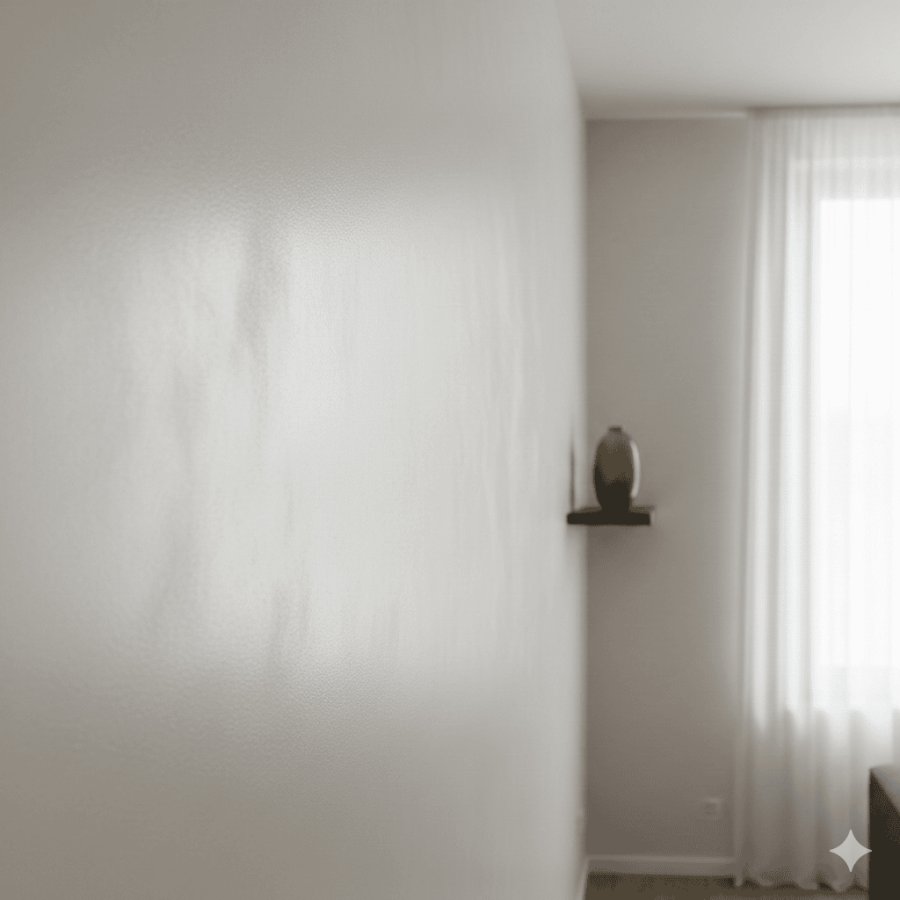
Satin Plaster Applications
Elbette, hazırlamış olduğunuz "Mükemmel Pürüzsüzlüğün Sırrı: Kapsamlı Saten Alçı Uygulamaları Rehberi" metnini İngilizce'ye çeviriyorum.
The Secret to Perfect Smoothness: A Comprehensive Guide to Skim Coat (Satin Plaster) Applications
Introduction: What is Skim Coat (Satin Plaster) and Its Role in Interior Quality
A large part of the aesthetic quality achieved in interior decoration depends on the smoothness of the surface on which the final coat of paint or wallpaper is applied. This is where skim coat (Satin Plaster) applications come into play. Skim coat is a specially formulated, very fine-grained plaster applied over rough plaster or gypsum board (drywall) surfaces before the final finishing layer.
The primary purpose of skim coat is to eliminate the smallest imperfections, scratches, and undulations on wall and ceiling surfaces, creating a surface with an "mirror-like" smoothness. This process is indispensable for achieving a flawless look, especially in areas where glossy or semi-gloss paints will be used, as these surfaces highlight even the slightest imperfections under light.
Key Advantages of Skim Coat Applications:
Perfect Smoothness: It makes the surface ideal for paint and wallpaper, free from shadows and waves.
Reduced Paint Consumption: Due to the smooth and low-absorbency surface, the paint penetrates the wall less, reducing paint usage.
Fast Application: It is applied and dries faster than traditional putties, shortening project timelines.
Surface Hardness: It provides a slight hardness to the applied surface, increasing its resistance to minor impacts.
Moisture Regulation: Its gypsum-based structure allows it to regulate ambient moisture (breathability).
Skim Coat Material and Technical Specifications
A high-quality skim coat application begins with the selection of the correct material and knowledge of the plaster's technical properties.
1. Types of Plaster (Gypsum)
While there are two main types of plaster compounds used, the term skim coat (finishing plaster) generally refers to the final layer:
Render Plaster (Rough Plaster): Used to fill large voids on wall surfaces and roughly level the surface. Applied in thick layers.
Perlite Render Plaster: Contains added perlite (a lightweight volcanic glass). Provides some contribution to thermal and acoustic insulation.
Skim Coat (Fine Plaster / Finishing Putty): The final layer of putty applied over the render plaster. Its very fine-grained structure ensures smoothness.
2. Critical Technical Parameters
| Parameter | Definition | Importance in Application |
| Fineness (Particle Size) | The size of the particles within the plaster in microns. | The finer the particles, the smoother the surface. This is the distinguishing feature of skim coat. |
| Setting Time | The time it takes for the plaster to start hardening after mixing with water. | Determines the working time for applicators. Should generally be between 60–120 minutes. |
| Water/Plaster Ratio | The amount of water required to achieve the ideal consistency. | The wrong ratio can lead to cracking, adhesion problems, or difficulty in application. |
| Adhesion Strength | How strongly it bonds to the applied surface. | High strength prevents future crumbling and blistering. |
Skim Coat Application Stages: Step-by-Step to a Flawless Surface
Skim coat application is a multi-stage process that requires skill and craftsmanship.
1. Substrate Preparation and Surface Control
Surface Cleaning: The rough plaster or drywall surface to be applied must be completely cleaned of dust, oil, and loose particles.
Priming (Primer Application): Especially on high-absorbency surfaces like rough plaster, a gypsum primer (binder) must be applied to prevent the skim coat's water from being rapidly absorbed and to increase adhesion strength. Primer allows the skim coat to be worked on the surface for a longer time.
Drywall Joints: In drywall applications, joint tape (fiberglass or paper) should be affixed to the panel joints and screw heads to prevent cracking, and then filled with joint compound. The skim coat is applied as the final layer over this filling.
2. Preparation of the Skim Coat Mixture
Correct Ratio: Skim coat powder is prepared by first pouring clean water into a container and then slowly sprinkling the plaster powder into the water.
Waiting and Mixing: After adding the plaster to the water, it is left to stand for a period (varies by manufacturer, usually 5 minutes). Then, it is mixed with a low-speed mixer until a putty-like consistency is achieved, ensuring no lumps remain. High-speed mixing can shorten the setting time of the plaster.
3. Application Technique (The Two-Layer Principle)
Skim coat is generally applied in two main layers:
First Coat (Leveling): The prepared plaster is applied to the wall in a thin layer using a wide steel trowel. The goal is to fill small voids and roughly level the surface. This coat must be allowed to dry completely (6–24 hours, depending on ambient conditions).
Second Coat (Finishing/Skimming): The second coat is applied more thinly than the first. This layer is used to eliminate all trowel marks and brush strokes on the surface.
Removing Trowel Marks: The angle of the trowel should be adjusted correctly during application, and pressure should be reduced at overlapping points to prevent potential thickening.
4. Sanding and Final Touches
Light Sanding: After the plaster is completely dry (it should no longer feel cold to the touch), very fine imperfections and trowel marks on the surface are lightly sanded with very fine-grit sandpaper (e.g., P180 or P220) or a sanding sponge. Excessive sanding can damage the surface.
Cleaning: All dust created after sanding must be cleaned with a damp cloth or vacuum. This dust can prevent paint adhesion.
Critical Points to Consider
Factors that directly affect the quality and durability of skim coat applications:
Priming is Mandatory: Not using a primer on rough plaster causes the plaster to rapidly absorb the water from the skim coat, reducing the skim coat's adhesion strength and leading to premature cracking.
Tool Cleanliness: All tools (bucket, trowel, mixer) must be thoroughly cleaned before each new batch. If old plaster fragments mix into the new batch, it can cause premature setting and leave hard particles on the surface.
Humidity and Drying: There should be no excessive humidity or drafts in the application environment. Rapid drying can trigger crack formation; therefore, windows should be kept closed, and direct sunlight should be avoided.
Layer Thickness: Skim coat, as its name suggests, should be applied in thin layers (maximum 1–2 mm). Application in thick layers can lead to sagging, internal cracking, and crumbling.
The Relationship Between Skim Coat and Final Coating
Skim coat directly optimizes the performance of the final coating:
Paint Appearance: Especially silk matte, semi-gloss, or glossy paints reflect light and show even the slightest surface flaw. Skim coat provides the ideal substrate for these paints to look flawless.
Wallpaper Application: The smooth surface allows the wallpaper to adhere perfectly to the wall without air bubbles. Furthermore, skim coat applied over a primer helps the wallpaper be removed easily in the future without damaging the wall.
Dark Colors: Although dark-colored paints reflect less light and can mitigate surface imperfections, skim coat ensures that even dark colors appear deep and rich.
Conclusion: Infrastructure That Increases the Value of Your Investment
Skim coat applications are the unseen stage of a structure that contributes the most to its felt quality. Skim coat is essential for unlocking the true potential of paint or wallpaper and providing interiors with a modern, clean, and professional finish.
The longevity and flawlessness of the application depend on the correct material selection (fine-grained skim coat), the mandatory priming process, and the experience of skilled craftsmanship. A skim coat done to a high standard will preserve the value and aesthetics of your space for many years.
Frequently Asked Questions (FAQ)
What is the difference between skim coat (satin plaster) and render plaster?
Render plaster has a coarser grain, used to fill large voids and roughly level the surface. Skim coat is very fine-grained and is the finishing putty applied over the render to achieve a mirror-like smooth surface for the final paint/wallpaper layer.
How long does skim coat take to dry?
The complete drying time for skim coat depends on the thickness of the layer applied, ambient temperature, and humidity. Generally, each thin layer may require between 6 and 24 hours. Before proceeding with paint application, ensure the plaster is completely dry (has released all its moisture).
Is primer necessary before applying skim coat?
It is absolutely mandatory. Especially on rough plaster or new drywall surfaces, using a primer before skim coat prevents the surface from absorbing the skim coat's water, thus ensuring stronger adhesion to the wall and minimizing the risk of cracking.